
Loading...
Serving Harrisonburg, VA and surrounding areas. (540) 246-0519
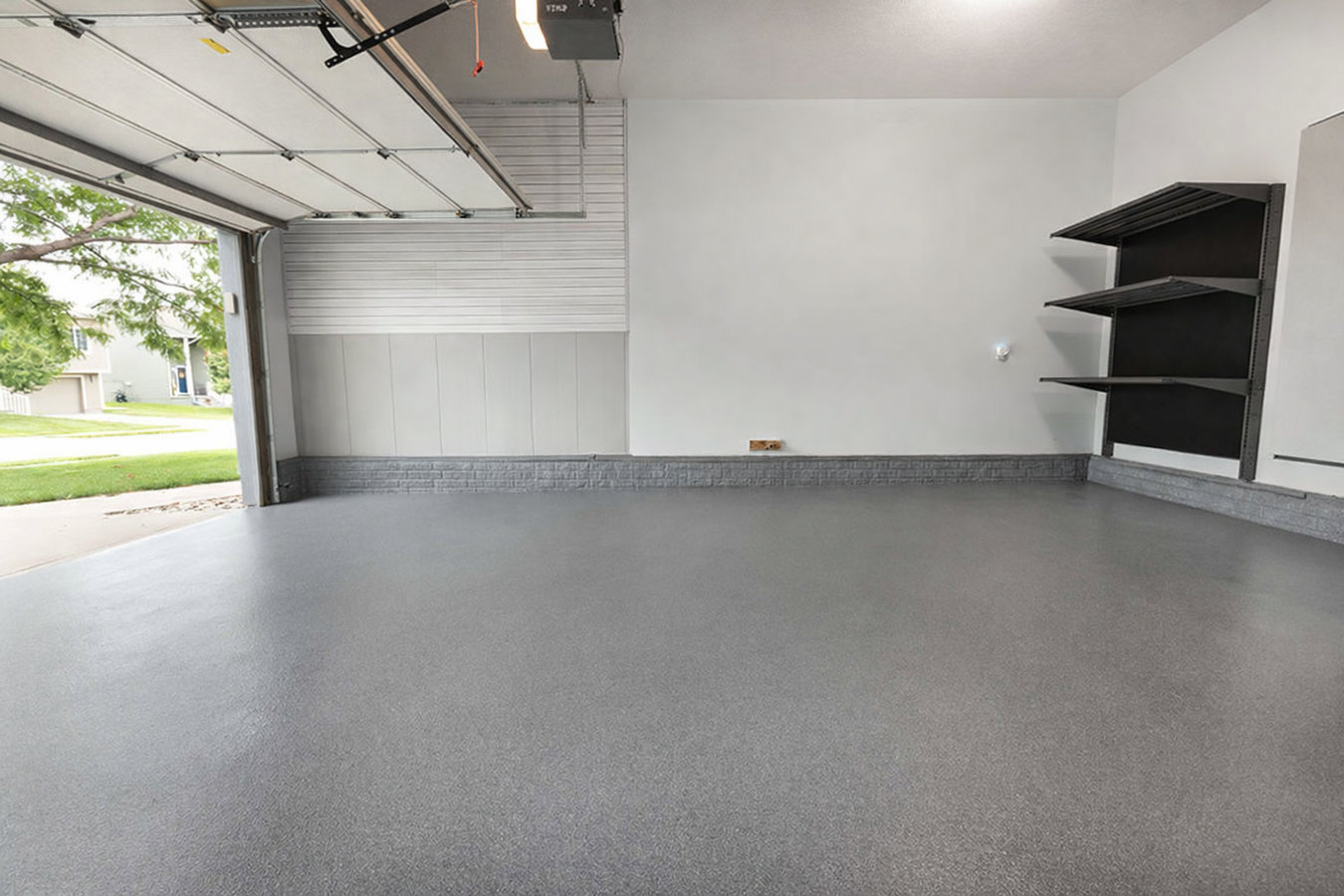
If your garage floor is cracking, spalling, or pooling water, it will not fix itself. We pour and finish garage floor concrete built for Harrisonburg winters and local soil conditions.
Garage floor concrete in Harrisonburg means removing or preparing the base, pouring a reinforced slab, finishing it flat with proper drainage slope, and sealing it for local conditions - most projects take one to two days of active work, with a full week before you can park in the space again.
Most homeowners are surprised by how much happens before the concrete truck arrives. Compacting the base, setting forms, and placing reinforcement are the steps that separate a floor that lasts from one that starts cracking after a few hard winters. If you are also thinking about the space beyond the floor itself, our decorative concrete options let you add color or texture without tearing out a sound existing slab.
Harrisonburg garage floors face two conditions that are tougher than average - clay soils that shift with seasonal moisture and road salt tracked in through the winter. Both factors affect mix selection, base prep, and sealer choice. Getting those details right from the start is what protects your investment for years rather than seasons.
If you can fit a coin edge into a crack, or if a crack has been growing over the past year, the slab is signaling trouble underneath. In Harrisonburg, clay soils and freeze-thaw winters accelerate this kind of damage. What starts as a minor crack can open significantly after a few hard winters, and patching rarely holds for long.
If the top layer of your garage floor is peeling off in chips or the surface looks pitted and rough, that is called spalling. It is a sign the concrete has been damaged by moisture and freeze-thaw cycles. This is especially common in Harrisonburg garages that were never sealed, and once it starts it tends to spread.
A properly finished garage floor slopes gently toward the door so water runs out rather than sitting. If puddles form in the middle or along the walls, the slab has either settled unevenly or was never finished correctly. Standing water accelerates concrete damage and can work its way under the slab, softening the soil base.
If you notice the floor is not flat - a car door swings open on its own or you feel a bump walking across - the slab has likely shifted. In the Harrisonburg area this is often tied to clay-heavy soils expanding and contracting with seasonal moisture changes. Minor unevenness can sometimes be ground down, but significant settling usually means the whole floor needs to be addressed.
Most garage floor projects fall into one of two categories: full replacement of a failed slab, or a new pour for an unfinished garage. Both start with the same foundation - proper base prep, correctly placed reinforcement, and a mix suited for Harrisonburg conditions. We also tie in concrete floor installation for homeowners who need interior slabs beyond the garage, so you are not working with separate contractors for connected projects.
For homeowners who want more than a plain gray slab, we connect garage floor work with our decorative concrete services - staining, sealing with a tinted coat, or adding texture to make the floor easier to grip and clean. These finishes are applied after the slab has fully cured and do not affect the structural work.
Best for floors with widespread cracking, settling, or spalling that patching cannot fix long-term.
Suits unfinished garages, additions, or detached garage builds starting from bare ground.
For homeowners who want a clean, sealed, colored floor that makes the garage feel like a real part of the home.
Applied after the slab cures - recommended for any Harrisonburg garage given road salt and freeze-thaw conditions.
Harrisonburg sits at roughly 1,350 feet elevation in the Shenandoah Valley, and temperatures regularly drop below freezing from November through March. Every time moisture gets into concrete and then freezes, it expands - and over many cycles that expansion chips, pits, and eventually breaks apart a floor that was not mixed or sealed for this climate. Add the clay-heavy soils common throughout the valley - soils that swell when wet and shrink when dry - and a garage floor poured without the right base prep can start cracking within a few winters regardless of how well the concrete itself was placed. We see this pattern most often in homes built before 1990 that have never had the original slab replaced. Road salt tracked in on tires and shoes through winter makes the problem worse, gradually breaking down the surface from the inside out.
We work across Harrisonburg and the surrounding region, including in Staunton and Waynesboro, where similar valley conditions apply. Whether your garage is attached to a 1960s brick ranch or a newer build on the south side of the city, the prep work and mix choices that hold up here are different from what a contractor working in a warmer climate would default to. That local knowledge is what you are hiring when you call us.
We schedule a visit to measure the space, assess the existing slab or ground conditions, and answer your questions. You will receive a written estimate breaking down the cost. We reply within one business day.
For most garage floor replacements in Harrisonburg, we pull the required city building permit before work begins - that is our responsibility, not yours. Permitting typically adds a few days before work starts, so we factor that into your timeline upfront.
You clear the garage; we handle demolition of the old slab and debris removal. We compact the ground and add a gravel base layer where needed. This prep stage is where the long-term quality of the floor is really determined.
The pour typically takes one day. We place, level, and finish the surface, then cut control joints so any shrinkage cracking happens in a planned straight line. The floor needs at least 24 hours before foot traffic and a full week before parking a car on it.
Free estimate, no obligation. We reply within one business day.
(540) 246-0519We pull the required City of Harrisonburg building permit before any slab work begins. That means a city inspector signs off on the job - protecting you at resale and giving you clear recourse if anything needs to be addressed.
Much of the Harrisonburg area sits on clay-heavy soils that expand and contract with the seasons. We compact the base and grade for drainage before pouring, so your floor stays flat over time - not just on day one.
Harrisonburg winters regularly drop below freezing, and concrete poured without cold-weather precautions can cure weakly and crack early. We time pours and protect fresh slabs so the concrete reaches full strength regardless of what the forecast says.
Virginia roads get treated heavily with salt during winter storms, and that salt gets tracked into your garage. We recommend and apply a penetrating sealer because Harrisonburg winters genuinely warrant it - not as an upsell, but as a practical step that extends floor life.
The American Concrete Institute sets the standards for residential slab construction, and we follow those standards on every project. Permitted work, proper prep, and a sealer spec matched to this climate - those three things together are what separate a floor that holds for twenty years from one that needs attention again in five.
Add color, texture, or a stamped pattern to a new or existing concrete surface without replacing a sound slab.
Learn MoreInterior slab pours for basements, workshops, and living spaces that require the same quality prep and finish as a garage floor.
Learn MoreSpring and fall booking windows fill fast - call now or submit a request and we will get back to you within one business day.