Loading...
Serving Harrisonburg, VA and surrounding areas. (540) 246-0519
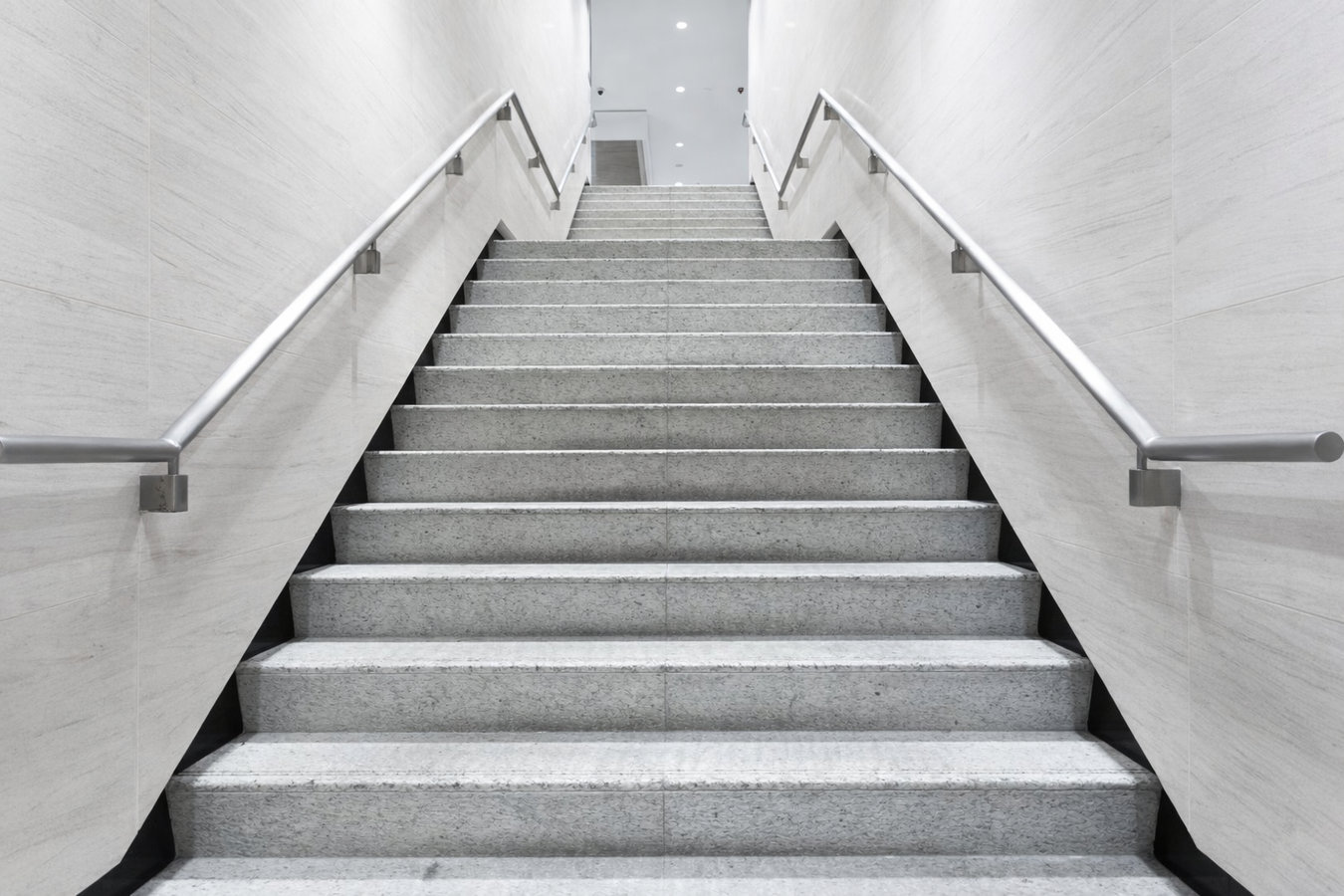
Crumbling edges, tilting steps, or gaps at the threshold are not just cosmetic problems - they are fall hazards. We build and replace concrete steps in Harrisonburg using reinforced mixes and proper base prep that hold up through Shenandoah Valley winters.
Concrete steps construction in Harrisonburg involves removing old steps if present, compacting a gravel base, setting forms, and pouring reinforced concrete - most residential jobs take one to two days of active work on site, then 24 to 48 hours before light foot traffic and a full month for the concrete to reach maximum strength.
A significant share of Harrisonburg homes were built between the 1940s and 1970s, and many of those original concrete steps are at or past the end of their useful life. Replacing them involves more site preparation than a new installation because old concrete has to be broken up and hauled away, and the ground underneath often needs recompaction after decades of settling. If your project includes grading around the entry or a larger landing, it may also make sense to combine with concrete retaining walls if your lot has any slope at the front.
The most important thing to understand about steps in this climate is that the base preparation and the mix design matter more than the surface finish. We will explain exactly what we plan to do under the concrete before the first shovel goes in the ground.
If the corners and edges of your steps are breaking off in chunks or the surface is peeling away in thin layers, the concrete has likely been damaged by years of freeze-thaw cycles - a common problem in Harrisonburg's climate at this elevation. Crumbling edges create a trip hazard and will get worse every winter. Once the surface starts to go, patching rarely holds for long.
If you can see a gap between your steps and your front door threshold, or if the steps visibly lean to one side, the ground underneath has shifted. In Harrisonburg's clay-heavy soils this kind of movement is common in older neighborhoods where the original base was not built to handle seasonal soil expansion. Tilted steps are a serious fall risk, especially in wet or icy conditions.
Small hairline cracks can be normal as concrete ages, but cracks wide enough to fit a coin into - or cracks that run all the way through a step from one side to the other - mean structural integrity is compromised. Water gets into those cracks, freezes in winter, and makes them wider every year. If you are seeing cracks like this, a contractor should assess the steps before the next cold season.
If a step rocks slightly when you step on it, or if one step sits noticeably higher or lower than it used to, the base underneath has likely settled unevenly. This is especially common in Harrisonburg homes built before the 1980s, where original construction standards for base preparation were less rigorous than today. A wobbly step is a fall waiting to happen.
We handle new step construction for homes that are upgrading a bare or deteriorated entry, and full replacements for steps that have failed structurally. Every job includes demo of existing concrete if needed, base recompaction, steel reinforcement placement, and a broom-finished surface that gives shoes something to grip in wet or icy conditions. For homeowners who want more than a plain surface, we offer decorative finishes that add curb appeal without sacrificing safety or durability. We also build landings and stoops when the entry design calls for a larger platform at the top or bottom of the stairs.
Repair and patching is sometimes the right call - if the steps are structurally sound and the damage is limited to surface cracks or small chips. We will tell you honestly whether a repair makes sense or whether the base has failed to the point where replacement is the better investment. JMU's enrollment drives a strong rental property market in Harrisonburg, which means landlords and property managers often contact us for catch-up repairs across multiple addresses - we handle those projects efficiently alongside standard residential work. Homeowners building a new slab or foundation nearby sometimes pair that work with slab foundation building to coordinate scheduling and reduce mobilization costs.
Best for homes upgrading from a bare or deteriorated entry, or adding a new stoop to an existing door that currently opens to grade.
Best for steps where the base has failed - tilting, cracked through, or pulling away from the house threshold.
Best for structurally sound steps with limited surface damage - small chips, hairline cracks, or isolated edge crumbling.
Best for entries that need a platform at the top of the stairs, or for homes adding a covered front stoop for the first time.
Harrisonburg sits at roughly 1,350 feet in the Shenandoah Valley and experiences an estimated 85 to 100 freeze-thaw cycles per year - temperatures swing above and below freezing repeatedly from late fall through early spring. That repeated movement is the main reason concrete steps in this area crack and crumble faster than homeowners expect. Water gets into tiny surface pores, freezes and expands, then thaws and contracts, chipping the concrete from the inside out. Road salt accelerates the damage. Steps that were poured without proper reinforcement or a solid compacted base are especially vulnerable, and we see it most often in the older neighborhoods near downtown and along the established residential streets that were built before modern construction standards.
Harrisonburg's clay-heavy soils add another layer of complexity - clay expands when wet and shrinks when dry, causing the ground to shift slightly through the seasons. That movement is why steps tilt and pull away from the house over time. We work throughout the region, including properties in Staunton and Waynesboro, where the same Valley soil and climate conditions apply. For the homeowners in Harrisonburg's rental market near JMU, we also understand that entry steps often need to be replaced quickly between tenants, and we schedule accordingly when timing is tight.
When you reach out we ask a few questions about your situation - how many steps, whether you are replacing old ones or starting fresh, and what your entry area looks like. We reply within one business day and will schedule a site visit before giving you a firm price, because ground conditions and job size vary a lot from one Harrisonburg home to the next.
During the visit we look at the existing steps, check ground conditions, and measure the area. If a permit is required - which it usually is in Harrisonburg for this type of work - we handle pulling that permit before scheduling the job. That process protects you and ensures the work gets inspected.
If old steps are coming out, that happens first. The crew then removes soft or unstable soil, adds and compacts a gravel base, and sets up the forms that give the new steps their shape. This groundwork is the part most homeowners never see - but it determines whether your steps last 10 years or 40.
The concrete is poured, leveled, and given a broom finish for slip resistance. You can walk on the steps lightly after 24 to 48 hours, and the contractor will schedule the city inspection. After 28 days of curing, applying a concrete sealer helps protect against Harrisonburg winters and road salt.
No obligation. We will visit your entry, assess the site conditions, and give you a clear written estimate - typically within one business day of your call.
(540) 246-0519Harrisonburg's clay-heavy soils expand when wet and shrink when dry, causing the ground to shift seasonally. We remove unstable material, compact a gravel base, and use steel reinforcement inside every set of steps. Skipping those steps is the most common reason homeowners end up replacing steps that are only five or ten years old.
The Shenandoah Valley experiences an estimated 85 to 100 freeze-thaw cycles per year at Harrisonburg's elevation, and concrete that is not mixed or sealed for that stress will fail faster than it should. We use air-entrained concrete mixes and apply sealer after curing as a standard practice - not an optional add-on.
The City of Harrisonburg requires permits for most structural concrete work attached to your home. We handle that process on every job - which means a city inspector signs off on the finished work and you get documentation that protects your home's value. Some contractors skip the permit to move faster; we do not.
Virginia requires contractors above certain project thresholds to be licensed through the Department of Professional and Occupational Regulation. You can verify our license status on the DPOR website before signing anything - the lookup is free and public. A contractor who hesitates to give you their license number is worth walking away from, regardless of their price.
The combination of proper base prep, air-entrained concrete, permits on file, and a verifiable license is what separates steps that hold up through 25 winters from steps that need repairs after five. The National Ready Mixed Concrete Association sets the quality standards for the ready-mix concrete we use on every job - and the City of Harrisonburg Community Development office handles the permit and inspection process that we follow on every structural concrete project.
A properly prepared slab starts below grade - the same base principles that keep your steps stable apply here at a larger scale.
Learn MoreHillside lots often need both steps and retaining walls - combining both projects saves mobilization cost and keeps the site consistent.
Learn MoreHarrisonburg contractors book up quickly once warm weather arrives. Contact us today to get your steps project scheduled before the season starts.