Loading...
Serving Harrisonburg, VA and surrounding areas. (540) 246-0519
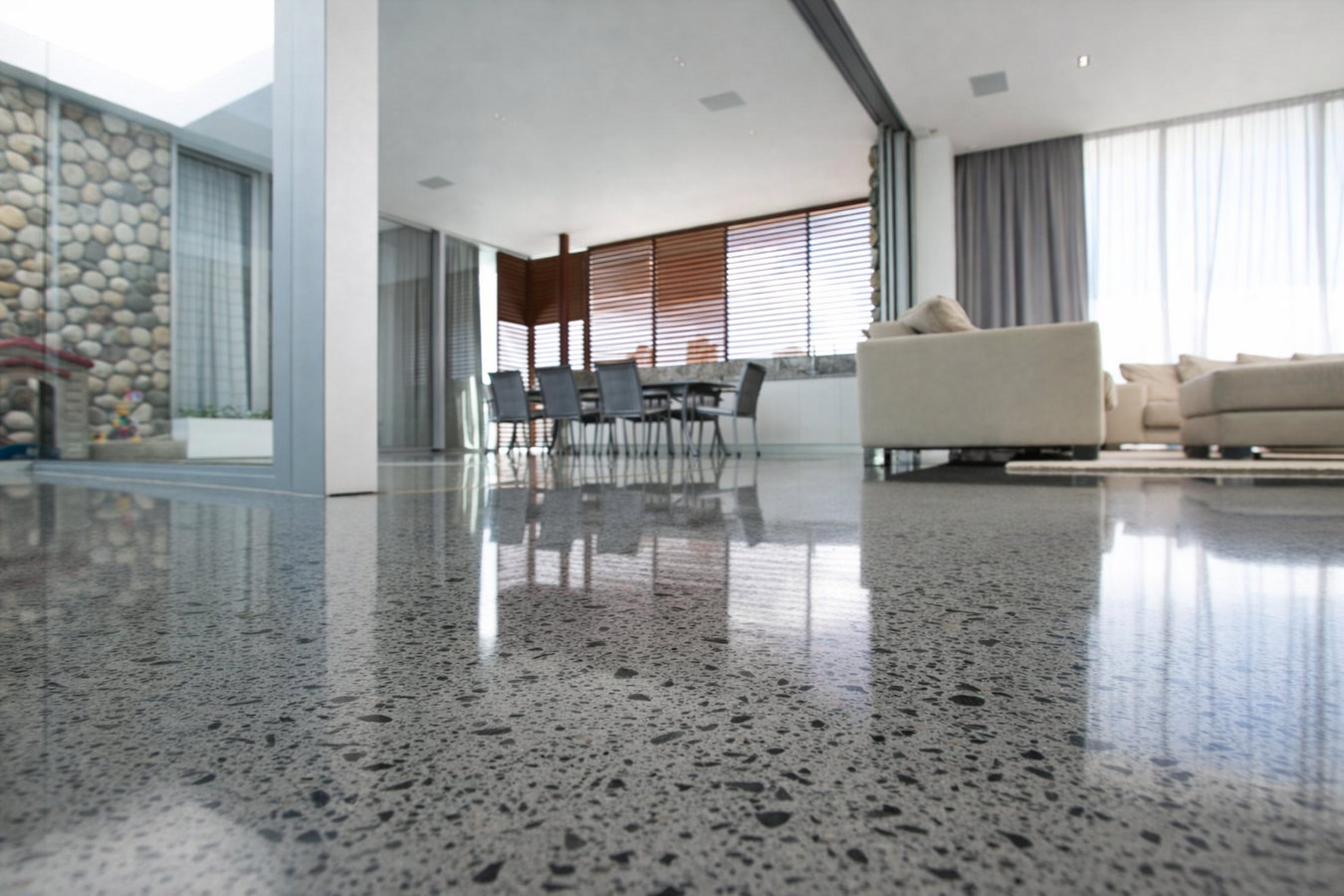
Cracked, uneven, or flaking garage and basement floors are a common problem in older Harrisonburg homes - we replace them with a solid, properly prepped pour that handles the Valley's soils and winters.
Concrete floor installation in Harrisonburg means preparing the subgrade, pouring a four-to-six inch slab with a vapor barrier and gravel base, then finishing to a smooth, level surface, with most garage or basement jobs completed in two to three days on-site.
A significant share of Harrisonburg's neighborhoods were developed in the mid-20th century, and concrete floors from that era were often poured thin with little attention to moisture control. If your floor is cracking, flaking, or holding water in low spots, the issue usually comes from inadequate ground prep - not the concrete itself. Replacing it the right way means addressing the soil and drainage under the slab, not just what you can see on the surface. If your project includes a finished or decorative surface finish, our garage floor concrete work includes coating and sealer options that go on after the base slab is cured.
A new concrete floor is one of the improvements that pays off in actual daily use - a flat, dry surface you can build on without worrying about what is happening underneath.
Small hairline cracks are normal, but when a crack is wide enough to slip a pencil into, or one side sits higher than the other, the slab has shifted. In Harrisonburg, this movement is often caused by clay-heavy soils expanding and contracting with seasonal moisture. Patching it is only a short-term fix.
If water collects in low spots on your garage or basement floor, the slab has settled unevenly over time. This is common in Harrisonburg homes built before the 1980s, where the original pour may not have included proper drainage grading. Standing water damages stored items and can work into your home's structure.
When the top layer chips away or crumbles when you sweep, the surface has broken down past the point of repair. This kind of deterioration is accelerated by Harrisonburg's freeze-thaw winters, especially on older slabs not mixed to handle repeated temperature swings. Once it starts, it tends to spread quickly.
If you are planning to add flooring, install shelving, or convert a raw space into something livable, an uneven or deteriorated concrete floor will cause problems with everything built on top of it. Moisture coming up through an old, unsealed slab can ruin new finishes within a season or two.
We install concrete floors for garages, basements, utility rooms, workshops, and other interior spaces. Every project starts with subgrade work - compacting the soil, adding a gravel drainage base, and placing a vapor barrier to block moisture from below. That prep is what makes the difference between a floor that stays flat and one that cracks within a few years in Harrisonburg's climate. We also cut control joints during finishing so that any shrinkage cracking happens where you can barely see it, not randomly across the surface. For larger slab projects on-grade, our concrete pool decks team uses the same approach for outdoor slab pours.
We handle city permits through Harrisonburg Community Development as part of the job, and we coordinate with an engineer when the project scope requires it. If you are replacing an old slab, we remove the existing concrete before the pour. If you want a decorative finish - polished, stained, or coated - we can discuss those options at the estimate. Our garage floor concrete service covers the full range of coating and finish options for that specific space.
Suits homeowners building out a basement, adding a garage, or pouring a floor for a new utility or workshop space.
Best for floors that are cracked, uneven, or moisture-damaged beyond what patching or resurfacing can address.
Ideal for basements and any space where vapor coming up through the slab would damage finished flooring or stored items.
Right for any project in Harrisonburg where a city permit is required - we handle the paperwork and inspection from start to finish.
Harrisonburg sits at roughly 1,350 feet elevation in the Shenandoah Valley, and the area sees significant temperature swings - cold winters with repeated freeze-thaw cycles and warm, humid summers. That combination stresses concrete floors in ways that warmer, more stable climates do not. The clay soils throughout this part of the Valley also expand and contract with seasonal moisture, which puts pressure on any slab that was not prepped with a compacted base and proper drainage. Harrisonburg also has a large share of homes built in the mid-20th century, particularly in neighborhoods near downtown and JMU, where original floors were poured thinner and without moisture barriers. Those floors are now well past the point where replacement makes more sense than repeated patching.
We work across the city and the surrounding region. Homeowners in Waynesboro face similar clay soil challenges and have relied on us for basement and garage floor replacements. We also work regularly in Staunton, where the older housing stock and valley soils create the same pattern of floor deterioration we see here in Harrisonburg. The approach is the same wherever we work: fix the ground first, then pour.
We walk the space, measure it, and look at what is underneath - the condition of the existing floor, any soft spots, and drainage. You hear back within one business day to schedule the visit, and there is no obligation.
We submit the permit to the City of Harrisonburg before work begins. On prep day, you clear the space of everything - vehicles, storage, all of it. We remove old concrete if needed, grade and compact the ground, lay the gravel base, and install the vapor barrier.
Ready-mixed concrete arrives by truck and is spread, leveled, and finished in one day for most garage and basement floors. Control joints are cut into the surface before the concrete sets so shrinkage cracking stays controlled.
The surface is walkable after 24 to 48 hours but needs a full week before vehicles or heavy loads. We walk the finished floor with you before leaving, explain what to watch for, and answer questions about sealing or coating down the road.
Free estimate, no obligation - we come to your Harrisonburg home, assess the space, and give you a clear written quote.
(540) 246-0519We compact the soil, add a gravel drainage base, and install a vapor barrier on every floor installation we do in Harrisonburg. Skipping these steps is the most common reason concrete floors crack and hold moisture within a few years in this climate.
You can verify our contractor license through the Virginia DPOR license lookup in minutes. Virginia licensing confirms the contractor meets the state's standards for training, insurance, and financial responsibility - it is the first thing to check before hiring anyone for this kind of work.
Check license at DPORHomes built in the 1950s and 1960s near downtown and JMU often have original floors poured thin with no moisture control. We have replaced dozens of slabs in this type of housing stock and know what the ground conditions look like before we ever break the old concrete.
We handle the city permit application through Harrisonburg Community Development as part of the job. A permitted floor has a city inspection record on file - that record matters when you sell the home and a buyer's agent asks for documentation of the work.
A concrete floor is not glamorous, but it is the foundation for everything else in the space. Getting the prep right the first time means you are not calling someone back two winters from now about cracks or standing water.
Outdoor concrete slabs around pools and patios using the same subgrade and drainage standards as our indoor floor work.
Learn MoreGarage-specific floor pours with coating and sealer options to protect against road salt, oil, and Harrisonburg's winter freeze-thaw cycles.
Learn MoreSpring and fall booking slots fill quickly - reach out today to lock in your project date before the best weather windows close.