Loading...
Serving Harrisonburg, VA and surrounding areas. (540) 246-0519
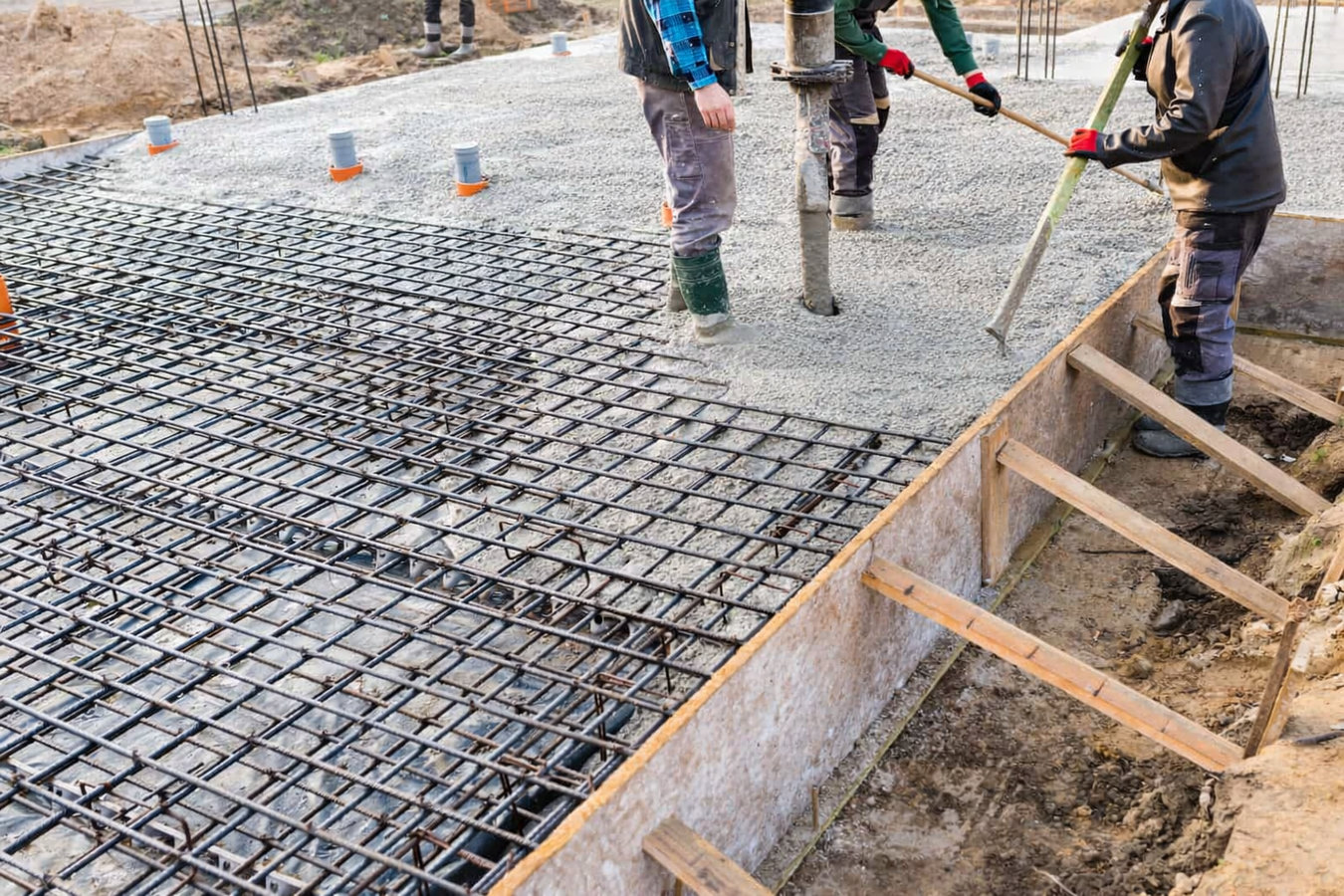
A foundation built too shallow or on unprepared ground will cause problems for decades. We assess your lot, dig below the frost line, and handle every inspection so your home starts on solid footing.
Foundation installation in Harrisonburg covers the full process from excavation through backfill - site assessment, digging below the frost line, forming and pouring the concrete, waterproofing, and final grading - most single-family projects run one to three weeks of active construction.
The type of foundation that makes sense - slab, crawl space, or full basement - depends on your lot, your budget, and what the structure above will require. We talk through those options at the site visit before any work is planned. For homeowners who specifically need a slab foundation for a garage, addition, or new home, that is also a service we build out independently. The key in either case is the same: the ground has to be properly prepared, the concrete has to be reinforced correctly, and the footing has to sit below the frost depth Harrisonburg winters demand.
Every foundation project in Harrisonburg goes through the city's permit and inspection process. We apply for the permit, coordinate inspection scheduling, and provide you with all documentation when the work is complete.
Cracks that start at the corners of windows or doors and angle downward toward the floor often signal that the foundation beneath that section of the house has shifted. In Harrisonburg, this can happen when the limestone-rich soil settles unevenly over time. A single hairline crack may not be urgent, but cracks wider than a quarter-inch or cracks that are visibly growing deserve a professional look.
When a foundation moves, the frame of the house moves with it - and that shows up first in doors and windows that feel stiff, stick in their frames, or leave visible gaps at the corners. This is especially common in older Harrisonburg homes after a winter with significant freeze-thaw activity. If multiple openings in the same part of your home are affected at once, the foundation is worth evaluating.
Standing water, damp walls, or a musty smell in a basement or crawl space after a heavy rain may mean the foundation is not draining properly. Harrisonburg receives around 40 inches of rainfall per year, and clay-heavy soils in parts of the valley hold water rather than letting it drain away. Persistent moisture against a foundation will cause serious damage over time if it is not corrected.
If you have purchased land in Harrisonburg and plan to build, or if you are adding a significant addition to an existing home, you need a properly installed foundation before any framing begins. Getting the foundation right is the most consequential decision in the entire building process - every trade that follows depends on what happens at this stage.
We install slab foundations, crawl space foundations, and full basements for residential construction in Harrisonburg and the surrounding area. Each type suits different site conditions, budgets, and use cases - a slab is the fastest and most cost-effective for flat lots with stable soil, while a basement adds usable below-grade space and suits lots where the terrain or local preferences call for it. For commercial or parking applications, we also handle concrete parking lot building where a properly prepared base is equally critical.
Every installation includes a site assessment before we recommend a design. We look at your soil, the slope of your lot, how water moves across the property, and whether there are any indicators that a soil investigation would be worth doing before we break ground. Waterproofing and perimeter drainage are part of our scope - we do not pour concrete and leave moisture management to the next contractor. The goal is a finished foundation that your builder, framer, or city inspector will not have to work around.
Suits new builds and additions on flat to gently sloping lots where a basement is not required.
Suits sloped lots or older neighborhoods where below-grade mechanical access is preferred without a full basement.
Suits homeowners who want usable below-grade space and are building on a lot with adequate soil depth.
Suits homeowners expanding an existing home who need a new foundation section tied into the current structure.
Harrisonburg's winters regularly bring temperatures that dip below freezing, and the ground freezes and thaws multiple times each season. Foundations must be dug below the frost line - generally 18 to 24 inches in this part of Virginia - to prevent the concrete from heaving as the soil expands and contracts. A footing that is even a few inches too shallow can develop structural problems after just a few winters. This is not an edge case here; it is a real, recurring issue in the Shenandoah Valley.
The older residential stock in Harrisonburg's established neighborhoods - particularly near James Madison University and downtown - means replacement foundation work is a regular part of local construction. Those projects are more complex than a new installation on an empty lot, because the work has to integrate with an existing structure. We serve the full area, including Staunton and Front Royal, where similar limestone bedrock and frost-depth requirements apply. The Virginia Uniform Statewide Building Code sets the minimum standards, and Harrisonburg's city inspectors enforce them at multiple stages of every project.
We respond within one business day. At the site visit we assess your lot, discuss foundation type options, and provide a written estimate that breaks out excavation, materials, labor, and any drainage or waterproofing work. No single-line totals.
We apply for the building permit through the City of Harrisonburg before any digging starts. This typically takes a few business days to two weeks depending on the city's workload. We plan equipment access and soil staging before the crew arrives.
The crew excavates to below frost depth, builds forms, places reinforcing steel, and pours the concrete. The inspector reviews footing depth before the pour. Concrete then cures for at least a week before framing is permitted to begin.
After forms come off, we apply moisture protection to foundation walls and install perimeter drainage if needed. The ground is backfilled and graded to slope water away from the structure. The city inspector closes out the permit and you receive all documentation.
We visit your site, assess the soil, and give you a written estimate with no obligation and no sales pressure.
(540) 246-0519Footings that sit above the frost line will heave and crack as the ground freezes and thaws each winter. We build to the local frost depth - around 18 to 24 inches - on every project, without you having to ask. That single detail is what separates a foundation that performs in year ten from one that starts causing problems after the first hard winter.
Harrisonburg's limestone-based geology means what is underground is not always predictable. We assess your specific site before recommending a foundation type - and if the conditions call for a more thorough soil evaluation, we say so upfront. You will not discover a subsurface problem after the concrete is already poured.
We handle the permit application, schedule all required city inspections, and provide you with the completed documentation when the project is closed out. That paperwork is your proof the work was done to code - something lenders, buyers, and insurance companies may ask for.
Harrisonburg gets real rainfall, and clay-heavy soils in parts of the valley hold water against foundations. We treat moisture protection as part of the installation scope - not an add-on. The{" "}American Society of Concrete Contractors{" "}outlines best practices for drainage and waterproofing that we follow on every project.
A foundation is the one part of a home you cannot easily fix after the fact. We take the prep work, the frost depth, and the moisture management seriously because the cost of getting it right is far less than the cost of correcting a foundation that was cut short.
Concrete parking lots for commercial and multi-family properties in Harrisonburg, built on a properly compacted base that handles vehicle loads over time.
Learn MoreStandalone slab foundation pours for garages, accessory structures, and new residential builds on prepared Harrisonburg-area lots.
Learn MoreSpring slots fill fast - reach out now and we will schedule a site visit before the season peaks.